Rishi Sunak has announced that the Government is relaxing the timing on banning new petrol and diesel vehicles and is moving the date from 2030 to 2035. Is this a good idea?
There has been a mixed reception from both the public and industry.
Some fleet managers are unhappy with the change in timings because they have detailed plans for the switch and have geared the process around a 2030 cut-off date.
Some fleet Managers are irritated at the 2035 move
Paul Hollick, chair of the Association of Fleet Professionals (AFP), has been quoted as saying:
"The motor industry and their fleet customers have invested billions towards meeting the 2030 electrification deadline and while there are serious operational issues that need to be tackled, especially when it comes to electric vans, the assumption within our membership was that the government would need to provide more support, not move the goalposts," ( Source: Fleet News)
It is also true that most vehicle manufacturers have been gearing up for a 2030 cut off in the UK and are committed to aligning manufacturing processes, inventory scheduling, and sales & marketing focus to meet this date.
However, it could also be argued that vehicle manufacturing is a global industry and as such whatever the UK Government does may have very little effect on production planning, especially as the 2035 date actually brings the UK back into line with many countries including; Germany, France, Spain, Italy, Sweden, Canada, Australia and several US States like California and New York.
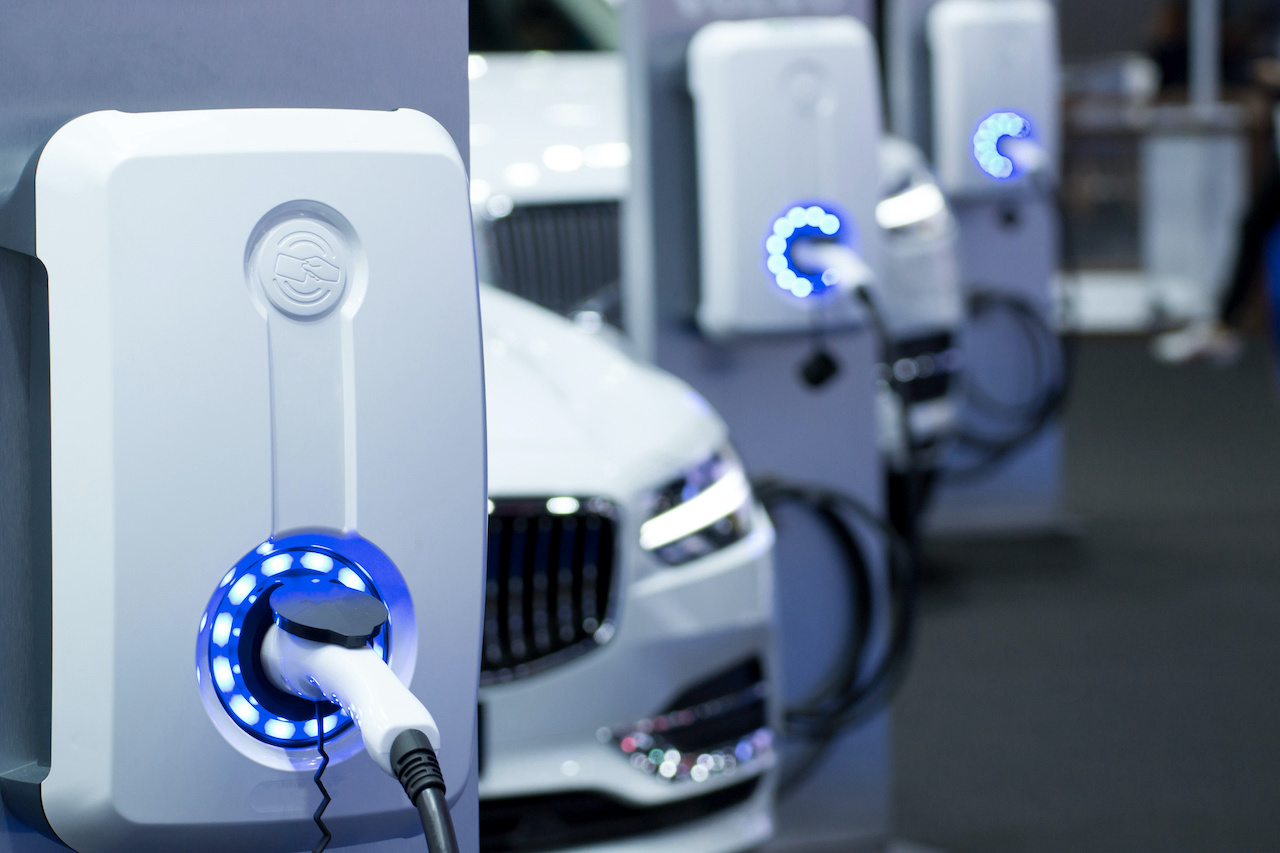
Does the new date of 2035 help or hinder infrastructure planning?
There is also the argument that the UK needs to significantly improve its charging infrastructure before a full switch takes place.
The 2035 date on the one hand grants more time for this to be built out, but on the other, there are concerns that local authorities may in fact de-prioritise electrification infrastructure and simply ‘kick the can down the road’.
What will happen to sales of new EV’s in the short term?
From a consumer perspective, sales of both pure electric and hybrid vehicles are continuing to grow.
It remains to be seen if the additional 5 years softens this demand for a while or makes any difference especially as electric cars remain generally more expensive than their internal combustion counterparts at the moment.
Undoubtedly, consumers who are still wary of buying a pure electric car may be supportive of the new date since it theoretically gives them more choice for longer.
It is probably particularly attractive for those who can’t afford to switch at the moment as well as those who hate the thought of ‘range anxiety’ or who don’t have access to ‘on-driveway’ charging facilities.
For other consumers who have already made the switch and have bought electric, there may be a worry that pushing the date back to 2035 may affect the resale value of their vehicles. Time will tell.
Time will also tell if this decision makes a difference to the uptake of electric vehicles now.
It is possible we may see a slow down in EV sales for a while as some consumers stick with buying petrol or diesel vehicles for a few years. It is also possible that sales of plug-in hybrid vehicles may increase as some consumers hedge their bets.
Of course, there is also the UK political climate to consider as well. If the Conservatives lose the election next year, what would an incoming Labour administration do?
Whether you are a consumer or a fleet manager, you might benefit from an independent perspective before making a purchase or leasing decision. At TYSONCOOPER we offer an unbiased perspective and can share information that will help you make the right decision for your specific circumstances.




(1).png)
.jpg)

.png)


.png)