In recent years, the automotive industry has witnessed a paradigm shift towards sustainable transportation, with electric vehicles (EVs) emerging as the flag bearers of this transformation.
While the environmental benefits of EVs are clear, a lingering question remains: Does the cost of an EV have to match that of the equivalent diesel or petrol model before we achieve mass uptake?
The climate change factor
The transition to electric mobility is arguably crucial for mitigating climate change and reducing air pollution.
However, the upfront cost of EVs has been a significant barrier to widespread adoption. Traditionally, EVs have been more expensive than their internal combustion engine (ICE) counterparts, primarily due to the high cost of batteries.
This cost disparity has deterred many consumers from making the switch to electric vehicles.
Price of EV’s is a big deal for consumers
One of the primary arguments for price parity between EVs and ICE vehicles is that it would level the playing field, making electric vehicles more accessible to a broader range of consumers.
When the initial investment in an EV aligns with that of a comparable ICE vehicle, it becomes more financially feasible for consumers to opt for the sustainable alternative.
Lowering the cost barrier could unlock mass adoption and accelerate the transition to electric mobility, thereby amplifying the environmental benefits.
However, achieving price parity between EVs and ICE vehicles is not a straightforward task. Several factors contribute to the cost of electric vehicles, including battery technology, production scale, and government incentives.
While advancements in battery technology have led to a gradual decrease in battery costs, achieving price parity with ICE vehicles still requires further innovation and economies of scale.
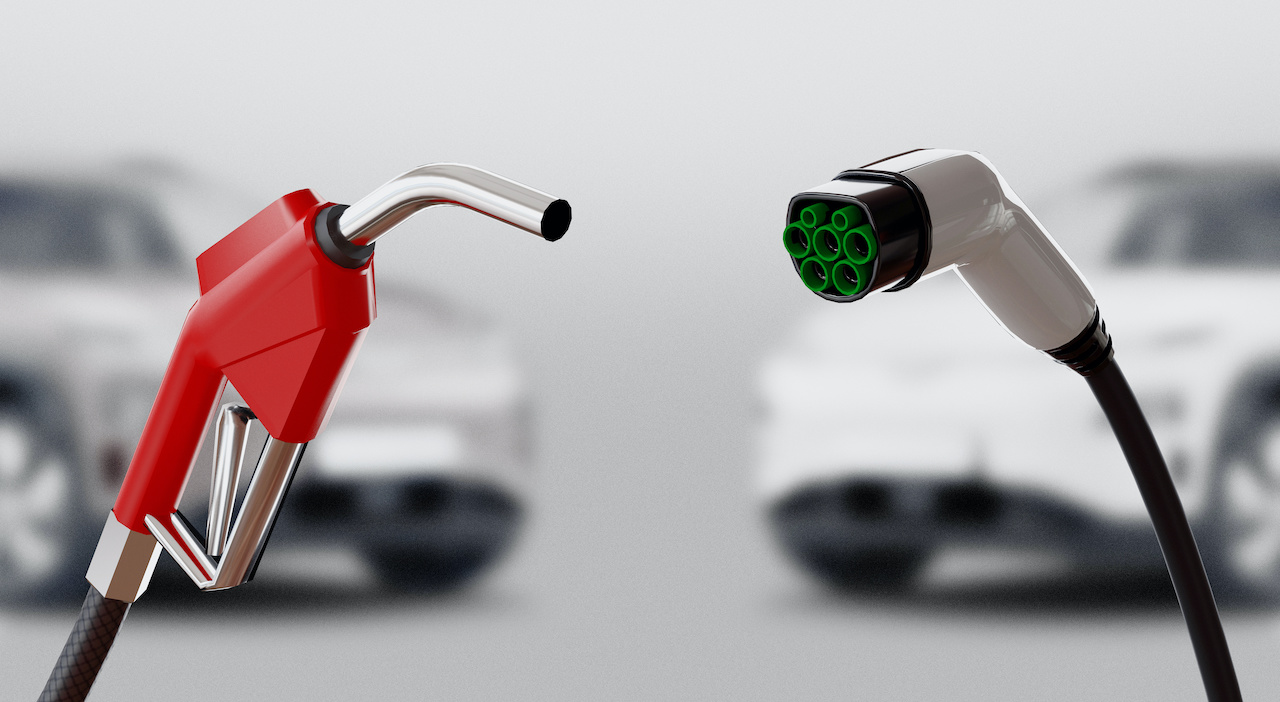
Could Government accelerate EV adoption?
Government policies and incentives can play a crucial role in bridging the gap between the cost of EVs and ICE vehicles. Subsidies, tax incentives, and rebates can significantly reduce the upfront cost of purchasing an electric vehicle, making it more attractive to consumers.
Additionally, investments in charging infrastructure and research and development can drive down both production and ownership costs and enhance the overall affordability of electric vehicles.
Moreover, the total cost of ownership (TCO) of electric vehicles is often lower than that of ICE vehicles over the vehicle's lifetime. EVs have lower maintenance costs, as they have fewer moving parts and require less frequent servicing.
Add to this the reasonable assumption that the price of electricity is typically lower than that of petrol or diesel, resulting in lower fuelling costs for EV owners.
When considering TCO, electric vehicles already offer a competitive advantage over ICE vehicles in many cases.
Innovation and scale will help EV adoption
Furthermore, as the automotive industry continues to innovate and scale up EV production, economies of scale will drive down costs, making electric vehicles more accessible to a broader range of consumers.
(This is already happening in China which should also be a wake up call to Western and Japanese auto makers).
Increased competition among automakers and advancements in battery technology will further contribute to cost reductions, ultimately bringing EV prices closer to parity with ICE vehicles.
So where are we today?
In conclusion, while achieving price parity between electric vehicles and their ICE counterparts is a significant milestone for mass adoption, it is not the sole determinant of the transition to electric mobility.
Government policies, advancements in technology, and shifts in consumer behaviour all play pivotal roles in shaping the future of transportation.
As electric vehicles become increasingly affordable and accessible, they will undoubtedly become the preferred choice for consumers seeking sustainable mobility solutions, especially as battery technology improves vehicle range and charging times.
The journey towards mass EV adoption is not solely about matching costs but also about creating an ecosystem that supports and incentivizes the transition to a cleaner, greener future whilst answering the practical and emotional concerns of the consumer.
TYSONCOOPER are personal and fleet management specialists and can support you with up to date market knowledge and analysis.
If you want some help and advice, get in touch and we will go through the options as they relate to your personal circumstances



.png)


.jpg)
(1).png)
.png)