Top of the list of factors affecting people and businesses buying new vehicles since Covid is lead times.
One of the big areas of fallout as a result of Covid is the global effect it has had on factories producing semiconductors (silicon chips).
It is not an understatement to say that the reliance society has today on semiconductors is truly astonishing.
Just about every electrical and electronic item in our daily lives uses semiconductor chips of varying types and as a consequence, there is huge (and growing) worldwide demand.
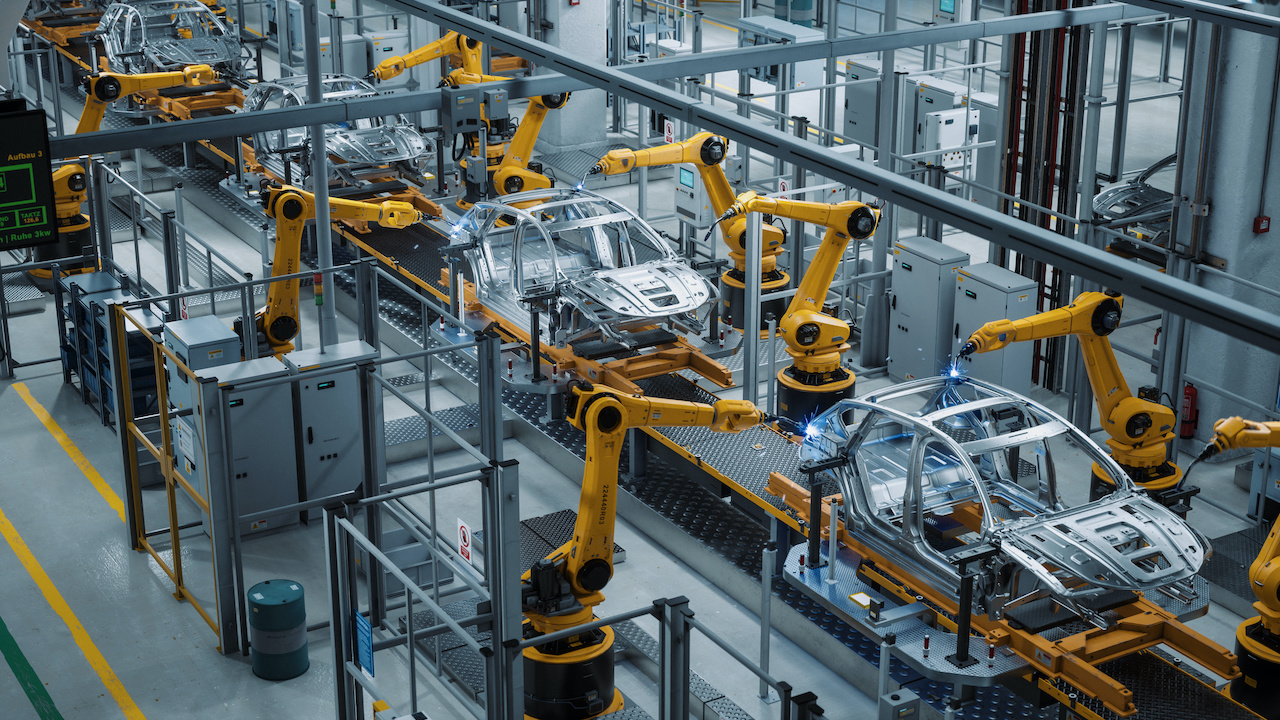
The Covid shutdowns immediately caused a shut down in production of chips for a long enough period of time as to cause huge supply / delivery issues when production resumed. Every industry and equipment manufacturing process has been affected, and the auto industry is no exception.
What effect has the chip shortage had on auto manufacturers?
Today, whilst Covid is a thing of the past, the auto industry is still suffering from a shortage of semiconductor chips (albeit things now seem to be easing a little) as well as supply chain issues caused by other factors – some related, some not – such as the impact of the war in Ukraine.
However, there is light on the horizon and many vehicle manufacturers are now seeing better chip supply and as a consequence, lead times for new builds are starting to come down.
However, there remains a significant order backlog and there are delivery variances within each manufacturers’ model line-up that a prospective buyer should be aware of.
Are all car makers suffering the same?
Let’s look at some examples:
Audi has said that whilst lead times are getting better generally, it remains difficult to be able to give firm delivery dates for individual models. Their advice is to speak to your dealer.
The story is similar at BMW – speak to your dealer – but they have said that they are experiencing high demand for electric and hybrid models which is pushing some lead times out further than others.
VW are saying that lead times vary model by model, depending on what trim or options you want…. Again talk to your dealer.
It’s a similar story at Ford, whilst some brands like Mazda and Hyundai say they have increasing availability of some models (such as the Hyundai Tucson) and are set to increase general pipeline shipments of non-personalised builds dramatically before the end of 2023.
At Jaguar Land Rover, typical lead times can range from 6 to 12 months depending on the model.
So what does all this mean for the buyer today?
In summary then, whilst things are undoubtedly starting to get better, the industry still has quite some way to go before things start to approach pre-Covid normal.
Some manufacturers are trying to increase stock availability by ‘building what they can’ and shipping units to the dealer network to build stock availability. Obviously, these vehicles have been specified by the manufacturer so if you want one, there is very little scope for personalisation.
Other brands seem to be building to order only. These manufacturers in the main have the longest overall publicised lead times.
So, what advice can we give to a buyer?
As ever, if you are flexible on brand, model and spec, you should shop around and also be mindful that what a dealer says today may be different tomorrow. – The situation really is that fluid.
You might also want to speak to an independent broker such as TYSONCOOPER.
They may well have better knowledge of day-to-day availability across a number of different brands and will be able to work with you to create a shortlist of vehicle options for you to consider.



(1).png)



.jpg)

.png)
.png)